Seasonal Metric Recalibrations Align Projection Models with Injury Patterns in Winter Leagues and Summer Turf Circuits
Casey Richter · Aug 25, 2026
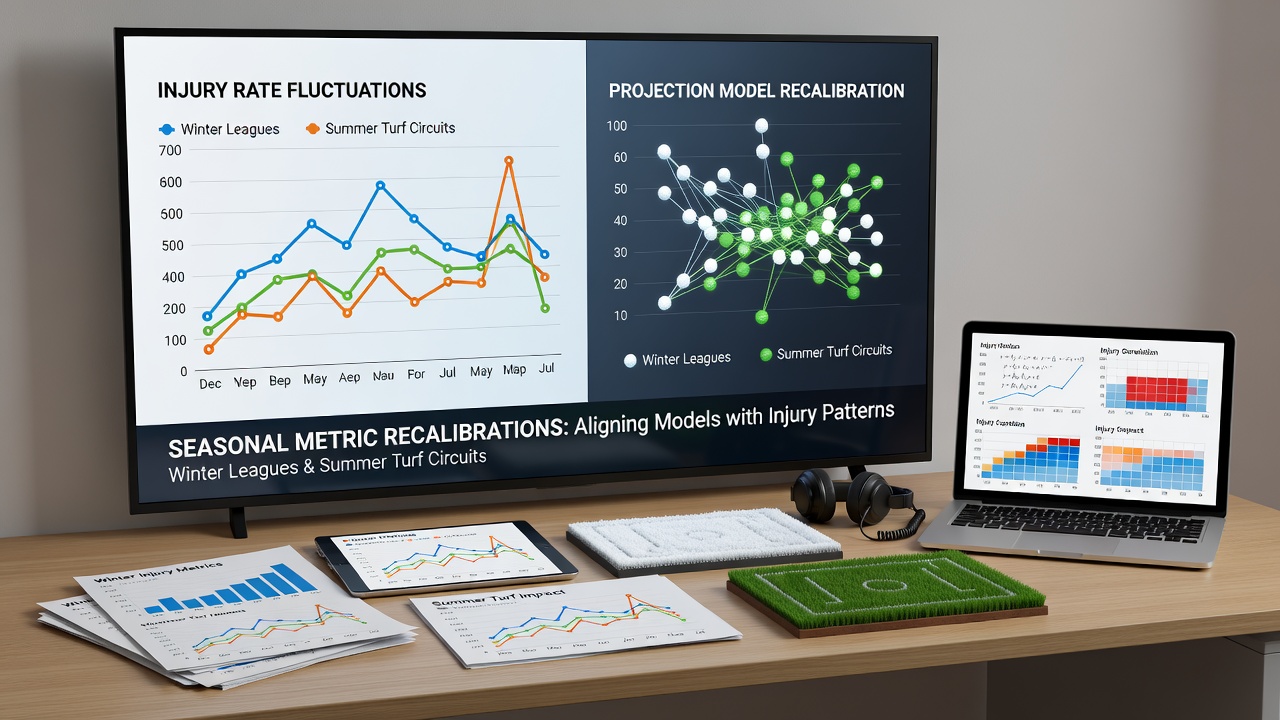
Seasonal Metric Recalibrations Align Projection Models with Injury Patterns in Winter Leagues and Summer Turf Circuits
Analysts adjust projection models each season to account for shifting injury rates that appear in winter leagues such as the NBA and NHL alongside summer turf circuits that include major horse racing meets and grass-court tennis events. These recalibrations rely on updated datasets that capture how cold-weather conditions increase soft-tissue strains while warmer months bring different stress patterns from harder playing surfaces and travel demands.
Winter League Injury Trends and Model Inputs
Winter schedules place athletes under repeated exposure to indoor arenas and outdoor cold that correlate with higher incidences of muscle pulls and joint issues according to records compiled by sports medicine groups. Researchers track these patterns through electronic health logs that feed into statistical frameworks used by performance analysts across North American leagues. Data from the 2025-2026 season shows elevated hamstring complaints in basketball during December through February compared with earlier months and analysts incorporate temperature variables plus player workload metrics to refine forecasts for the 2026-2027 campaigns.
Models now integrate variables such as back-to-back game density and arena humidity levels because those factors interact with physiological recovery times. Teams in the NHL have documented rises in upper-body injuries during extended road trips through northern climates and forecasters adjust probability outputs accordingly before each new schedule release.
Summer Turf Circuit Adjustments
Summer events on grass surfaces introduce distinct load profiles that affect lower-limb structures differently from winter indoor play. Turf circuits in horse racing and professional tennis see increased reports of tendon issues tied to firmer ground and faster movement speeds. Projection systems recalibrate by weighting surface hardness readings and daily temperature swings that occur between morning training and afternoon competition slots.
Analysts examine historical data from Australian and European racing meets where summer meetings run from December through February in the southern hemisphere and June through August in the north. These datasets reveal that horses and players experience accelerated fatigue when ambient conditions exceed typical thresholds so models apply correction factors for those periods. In August 2026 several major turf festivals will provide fresh samples that update existing algorithms before the next winter cycle begins.
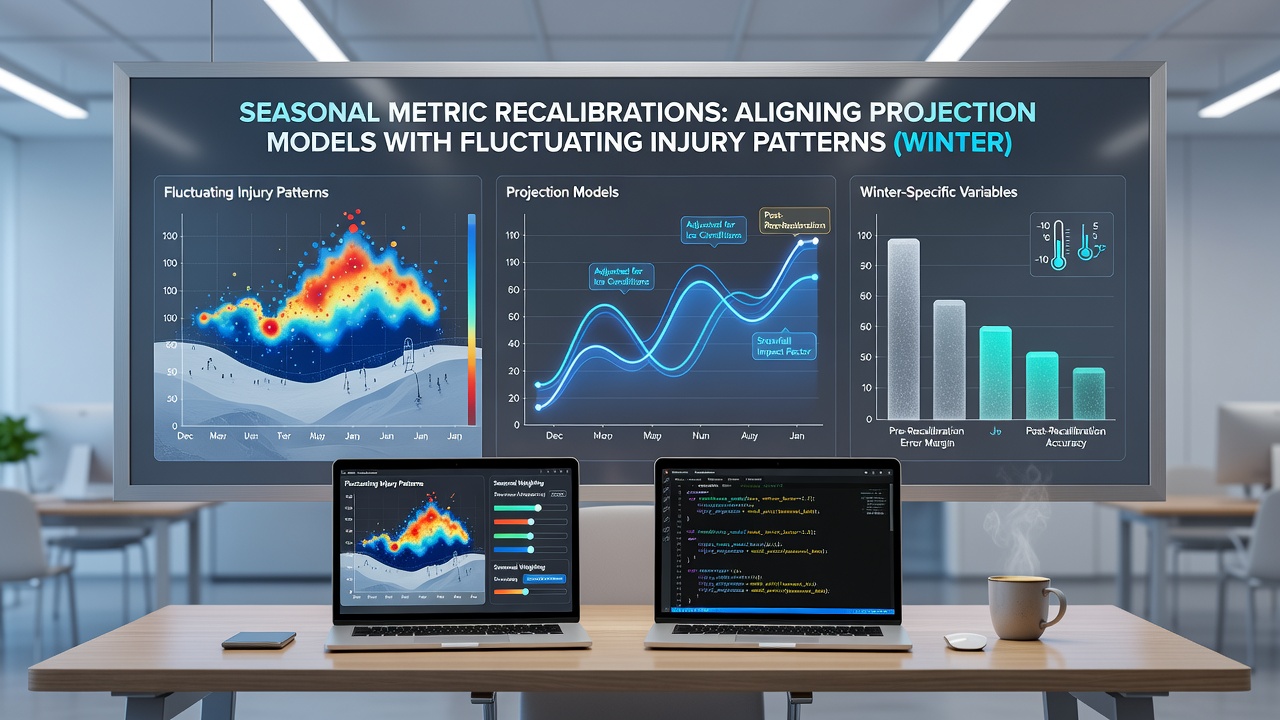
Recalibration Techniques adn Data Sources
Teams apply machine-learning routines that retrain on rolling windows of injury reports rather than static historical averages. This approach allows models to detect emerging clusters such as increased knee sprains in winter basketball or shoulder strains during summer tennis swings. Validation occurs through cross-checks against independent medical databases maintained by organizations like the American College of Sports Medicine and the Australian Institute of Sport which publish anonymized aggregate statistics for research use.
Forecasters incorporate wearable sensor outputs that measure acceleration forces and heart-rate variability across both seasonal contexts. When winter data shows prolonged recovery intervals after cold-weather exposure the algorithms raise uncertainty bands around projected performance metrics. Summer turf inputs adjust for higher stride rates recorded on grass venues and analysts test revised outputs against held-out match results from prior years to confirm alignment.
Implementation Across Multiple Circuits
League operators and racing authorities share anonymized injury summaries that enable coordinated updates to forecasting platforms used by media outlets and betting information services. These networks process inputs from both hemispheres so that a recalibration triggered by North American winter data can inform adjustments for southern summer events scheduled six months later. Observers note that consistent application of these protocols reduces divergence between early-season projections and observed outcomes.
Case examples include adjustments made after the 2025 NHL playoffs where elevated concussion rates prompted revised weighting for physical-contact variables and similar updates followed summer racing festivals where track conditions produced atypical fracture patterns. Analysts then propagate those changes through ensemble models that blend regression outputs with simulation runs before releasing updated projections for the following cycle.
Conclusion
Seasonal recalibrations maintain alignment between projection models and real-world injury distributions by continuously ingesting fresh metrics from winter leagues and summer turf circuits. Organizations rely on standardized reporting frameworks and multi-regional data partnerships to sustain accuracy across annual transitions and the next major update window opens after August 2026 events conclude.